
The end of Brazil’s Soy Moratorium has reverberated through Europe’s retail sector, which is warning traders that its requirements for deforestation-free soy purchases will remain unchanged even after the suspension of the private agreement signed two decades ago under pressure from the same importers.
Signed in 2006 by Brazil’s soybean industry and environmental groups to curb deforestation in the Amazon, the pact has been challenged amid strong opposition from farmers groups. That pressure intensified last year with legal disputes, culminating in the suspension of the agreement earlier this month.
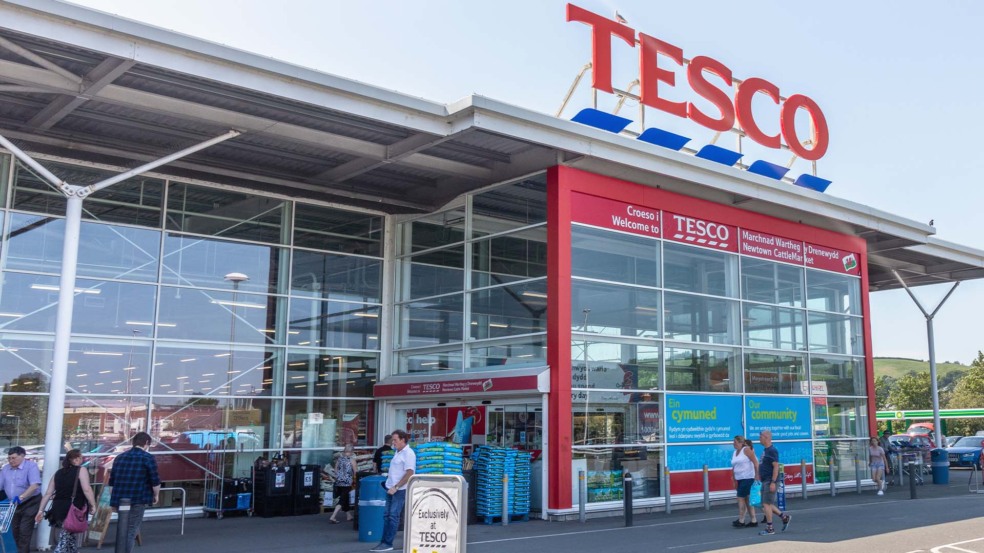
In a letter sent on Monday to the leaders of major trading houses operating in Brazil — ADM, Bunge, Cargill, Louis Dreyfus and Cofco — a group of 13 retailers including Tesco, Sainsbury’s, Marks & Spencer, Aldi, Asda and Morrisons asked companies to clarify their commitment to sourcing soy that is free from deforestation in the Amazon.
In practice, retailers are signaling that they will begin assessing companies individually, applying the same criteria used under the soy moratorium, which barred the commercialization of soy grown on land deforested in the Amazon biome after 2008.
The letter was also addressed to Abiove, the Brazilian vegetable oil industry association, which on Jan. 5 confirmed it had begun talks to withdraw from the Soy Moratorium.
“We are deeply disappointed” by the decision of trading companies and Abiove to voluntarily exit the pact, the group of retailers said in the letter seen by The AgriBiz.
“Stepping back risks weakening existing deterrents to deforestation, undermines future efforts to develop collaborative protection agreements, and threatens efforts to secure the sustainability of your investments in Brazilian soy production in the face of accelerated climate change,” the retailers added.
Notícias Relacionadas

MIDDLE EAST
JBS Ties Up with Saudi Poultry Firm to Produce Chicken Locally
Deal aligns Brazilian meatpacker with Saudi Arabia’s push for poultry self-sufficiency
AGRICULTURE
Brazil Set to Harvest Another Record Soybean Crop
Farmers are expected to reap the highest yields ever despite a credit crunch in the nation
The document sets Feb. 16 as the deadline for traders to respond on three points. Their answers, retailers said, will guide future sourcing decisions.
First, companies are asked whether they intend to voluntarily rejoin the soy moratorium. Second, retailers want to know whether climate and deforestation commitments remain unchanged and whether the 2008 cutoff date established by the moratorium is still valid.
Finally, importers demand a description of controls in place to ensure purchased soy is deforestation-free, as well as assurances of independence in monitoring, reporting and verification processes for suppliers.
Back in 2006, the trigger for the Soy Moratorium was intense pressure from European retailers and food manufacturers, who threatened to halt purchases from Brazil after a Greenpeace report linking global trading houses to soy sourced from recently deforested areas in the Amazon.
In addition to traders, Brazil’s federal government and NGOs — including Greenpeace, WWF and The Nature Conservancy — participated in crafting the agreement.
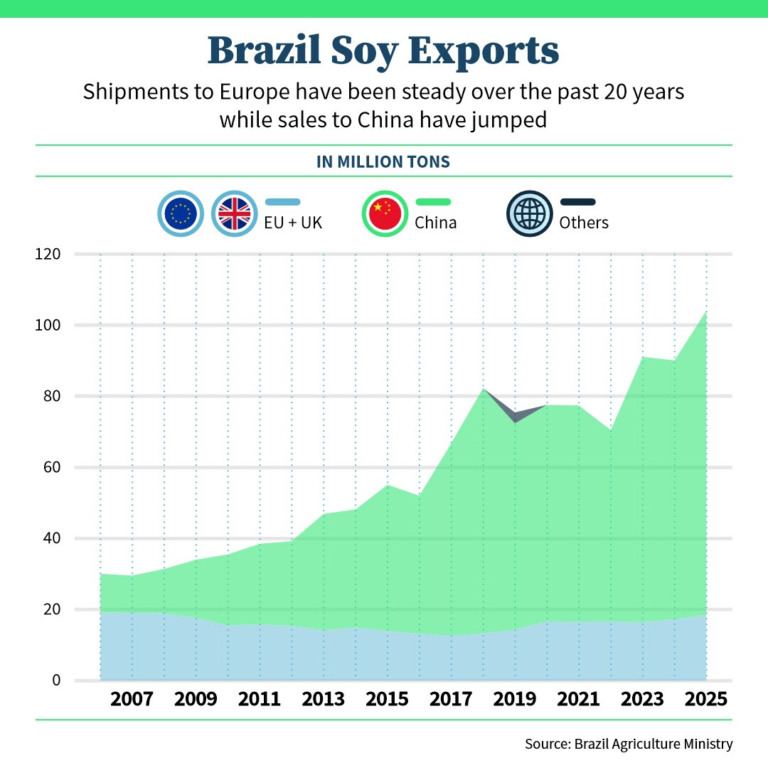
Much has changed since 2006, and Europe has lost relevance for Brazilian soy exporters. In the year the moratorium was signed, the 27 European Union countries plus the UK accounted for 63% of Brazil’s soy exports.
Shipment volumes to Europe have remained largely unchanged over the past two decades, while Chinese demand surged. Last year, Europe took 17% of Brazil’s soy exports, while China accounted for 82%.