
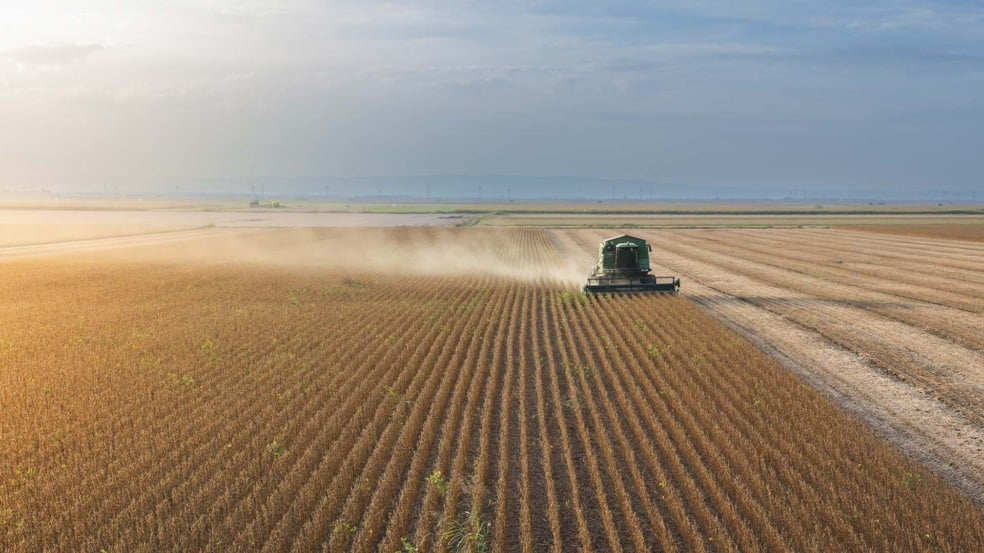
Brazil, the world’s largest soybean producer and exporter, is poised to harvest another record crop this year amid the highest yields ever. Farmers’ margins, however, are expected to remain under pressure due to low prices, signaling another challenging year for the entire grains supply chain.
The harvest, which has already begun in earlier-growing areas, is expected to reach 182 million tons in the 2025/26 season, according to estimates from consultancy Agroconsult, which is conducting a crop tour across 14 producing states.
In addition to a 2% expansion in planted area, soybean yields are set to hit a new record. Agroconsult forecasts average productivity rising 3.6% to 62.3 60-kilogram bags per hectare, or 3,738 kilograms per hectare.
The consultancy’s estimate reinforces private-sector expectations of another record Brazilian crop, as well as projections from state-owned agency Conab, which earlier this month forecast production at 176 million tons. In its January report, the USDA pegged Brazil’s soybean crop at 178 million tons.
Notícias Relacionadas

COMMODITIES
European Retailers Warn Traders: Brazil's Soy Moratorium Still Stands
Retailers are signaling that they will begin assessing companies individually, applying the same criteria used under the soy moratorium

MIDDLE EAST
JBS Ties Up with Saudi Poultry Firm to Produce Chicken Locally
Deal aligns Brazilian meatpacker with Saudi Arabia’s push for poultry self-sufficiency
“Even with prices falling over the past two or three years, Brazil has continued to expand planted area, although at a slower pace. It’s counterintuitive,” said André Debastiani, a managing partner at Agroconsult.
The continued increase in Brazilian supply helps sustain a global soybean surplus. Argentina is also expected to harvest a bumper crop, following a solid US harvest. As a result, for the fourth consecutive year, global soybean production is set to exceed consumption, putting downward pressure on prices in Chicago.
Another factor weighing on prices, particularly in the domestic market, is the slow pace of farmers’ sales. According to Agroconsult, Brazilian growers have sold only about one-third of the expected crop in advance, the lowest level on record for this time of year.
“Last year at this point, we still had 105 million tons to sell. This year, it’s 120 million,” Debastiani said.
On the other hand, Brazil is heading into a presidential election year, which has historically led to greater currency volatility. If the real weakens, Brazilian soybeans become more competitive on the global market, potentially lifting domestic prices and helping improve farmers’ margins.